The Power of Beauty, Nancy Friday.
*No wait, or was this my first foray into feminism?
"The Beauty Myth examines beauty as a demand and as a judgment upon women. Wolf examines how modern conceptions of women's beauty impact the spheres of employment, culture, religion, sexuality, eating disorders, and cosmetic surgery.
Wolf argues that women in Western culture are damaged by the pressure to conform to an idealized concept of female beauty—the Iron Maiden throughout modern society, from Victorian Times to today. She argues that the beauty myth is political, a way of maintaining the patriarchal system. It allows women to enter the labour force, but under controlled conditions. She also claims that this system keeps women under control by the weight of their own insecurities. The beauty myth is sometimes viewed as succeeding The Feminine Mystique, which relegated women to the position of housewife, as the social guard over women. In this sense, Wolf claims that public interest in a woman's virginity has been replaced by public interest in the shape of her body."
From Wikipedia.
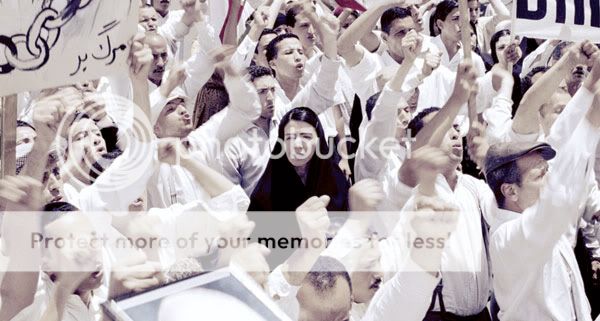
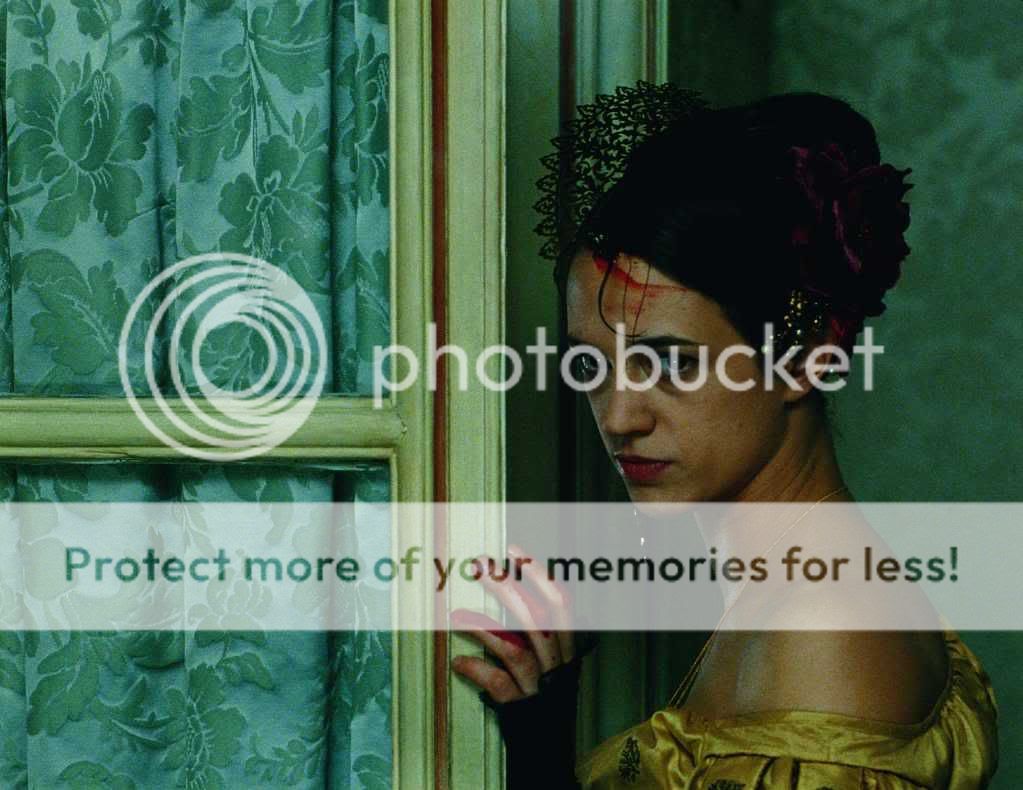
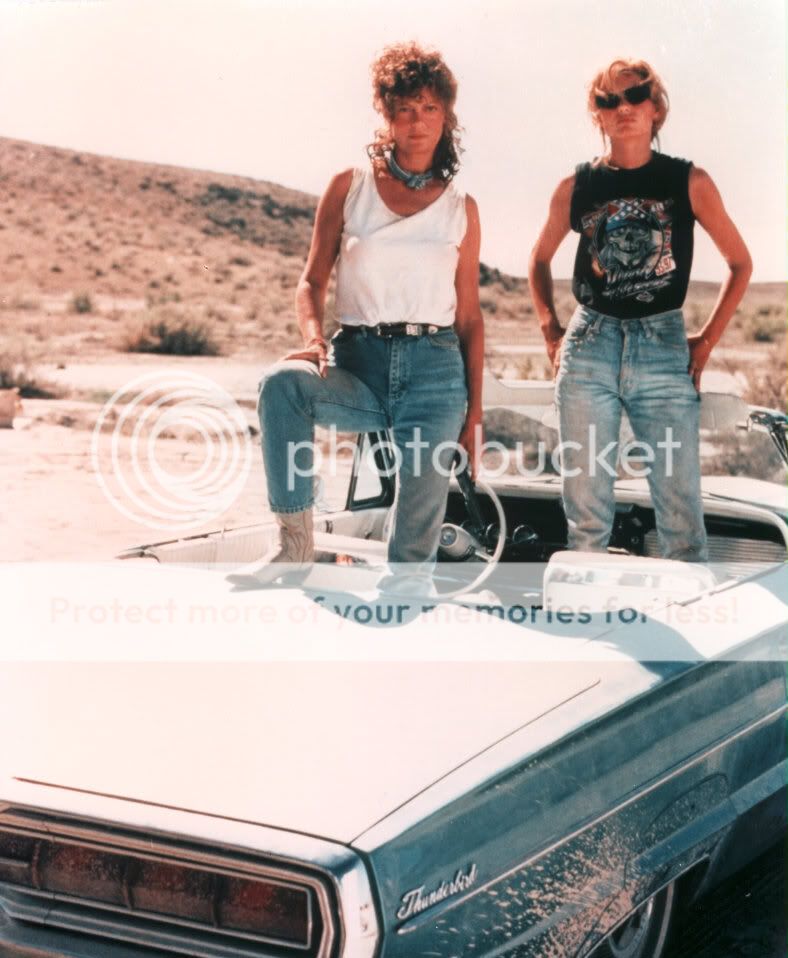
Barbe bleue is a “brilliantly written, exquisitely realized feminist reworking of the cautionary mixed message in Charles Perrault’s fairy tale” (Amy Taubin, Artforum). Narrated by two young sisters huddled away in their attic to read the titular tale, the film unfolds from their imaginations like a stylized seventeenth-century pageant play reminiscent of Demy’s Peau d’âne and Rohmer’s Perceval le Gallois. Naïve and courageous Marie-Christine (Lola Créton and her dancing big brown eyes) is the young, impoverished girl willing to wed the big, bearded brute (Dominique Thomas) in order to save her family from starvation and ruin. Breillat’s touch is in every detail, and her characteristic insights into the psychology of female desire, curiosity, fantasy and sibling rivalry—a curious parallel universe is created between the sisters reading the book and the fairytale sisters separated by marriage—are at the core of the film, yet Barbe Bleue is noticeably devoid of the explicit sex and sex talk that have come to define the director’s reputation. “I can't think of a better image to represent Breillat's cinema en toto than a shot of the massive, shirtless Bluebeard being watched unnoticed by his waif, virgin wife. Brilliant film” (Darren Hughes, Long Pauses).Top three photos: The Last Mistress, last photo: Bluebeard.
"On one hand, women are trained to be competitors against all others for "beauty"; on the other, when one woman - a bride, a shopper in a boutique - needs to be adorned for a big occasion, other women swoop and bustle around her in generous concentration in a team formation as effortlessly choreographed as a football play. These sweet and satisfying rituals of being all on the same team, these all-too-infrequent celebrations of shared femaleness, are some of the few shared female rituals left; hence their loveliness and power. But sadly, these delightful bonds too often dissolve when the women reenter public space and resume their isolated, unequal, mutually threatening, jealously guarded "beauty" status."
- Naomi Wolf, The Beauty Myth.